SirenX connects the real-time position of active emergency vehicles with navigation platforms and mobile applications, helping drivers react earlier, safer and more predictably.
No need to replace existing vehicle infrastructure
Compatible with navigation, mobile and dispatch platforms
The problem
Sirens and flashing lights are no longer enough on their own.
Modern vehicles are increasingly sound-insulated.
Drivers often use loud music, calls, navigation systems or infotainment.
In dense traffic, drivers may hear the siren but not know where the emergency vehicle is coming from.
Reactions are often delayed, inconsistent or chaotic.
Every second can matter during an emergency response.
The problem exists in cities, on highways, at intersections and in congested traffic corridors.
The Solution
SirenX adds a digital layer to emergency vehicle awareness.
SirenX identifies vehicles on active emergency response.
SirenX can process real-time vehicle data and determine which emergency units are currently responding to an incident. This allows the system to focus only on relevant active vehicles, instead of sending unnecessary or generic traffic alerts.
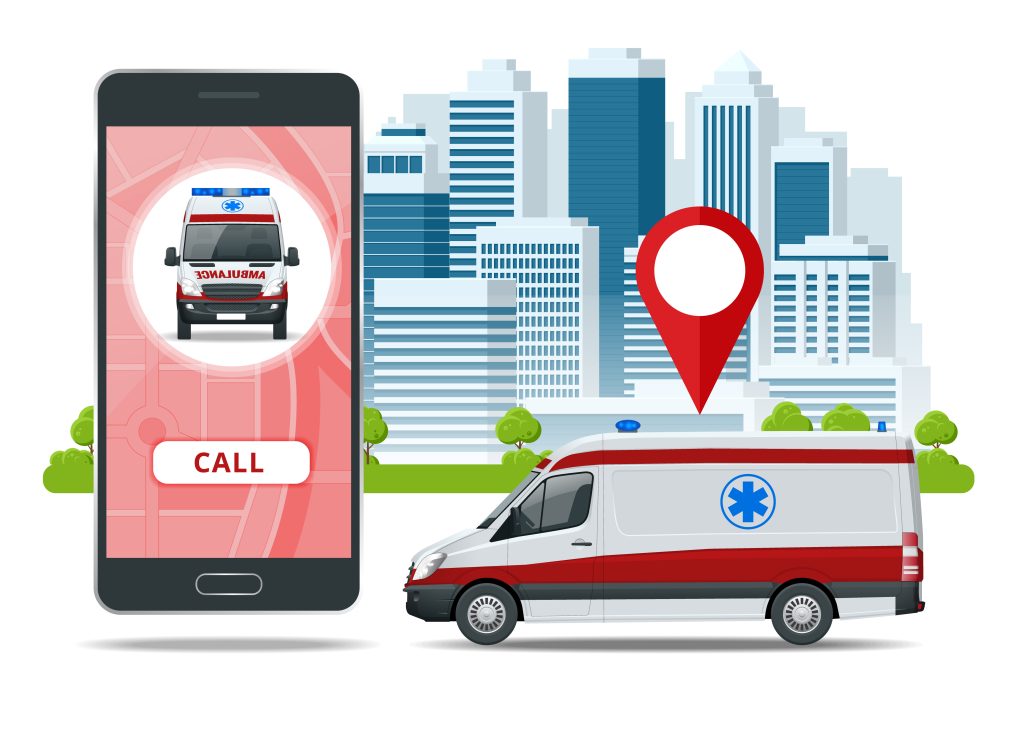
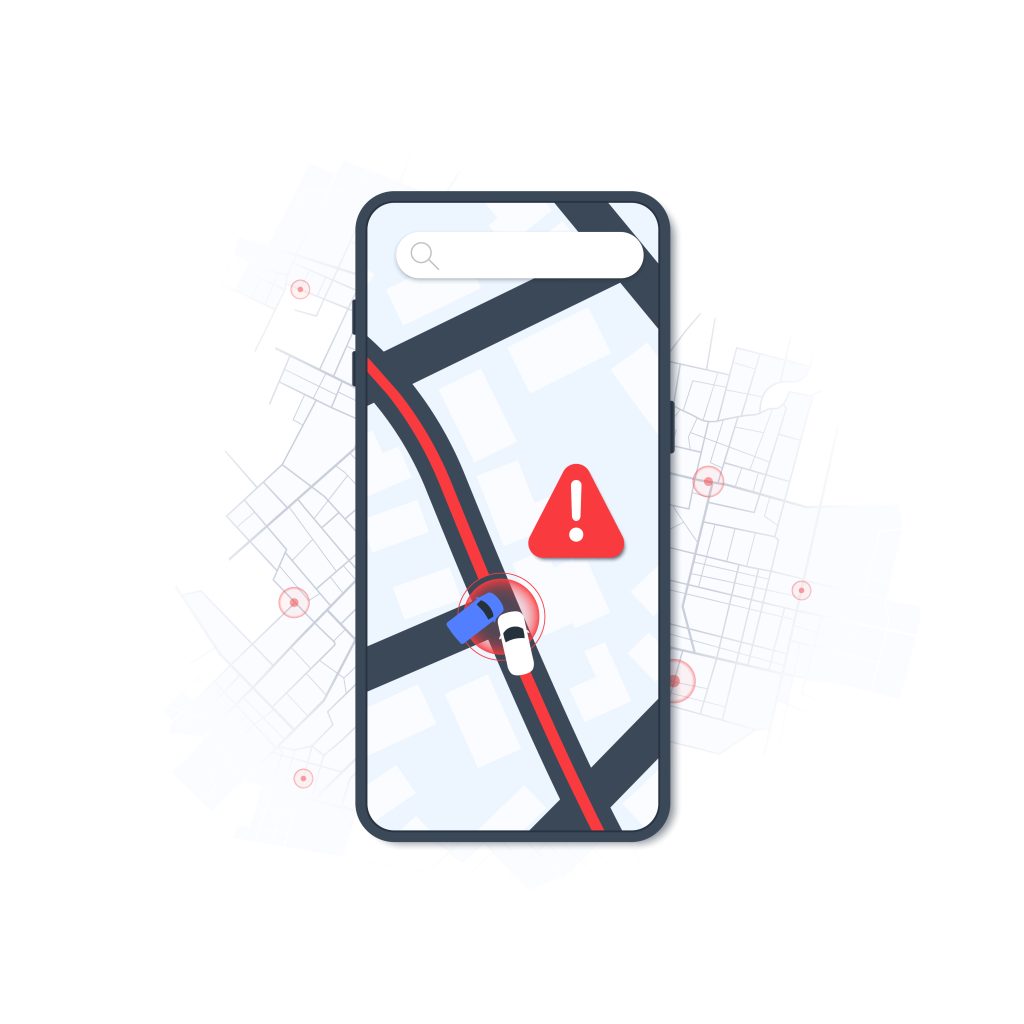
Nearby drivers can receive a digital warning before the emergency vehicle reaches them.
When an active emergency vehicle approaches, SirenX can create a dynamic alert zone and notify nearby drivers through supported digital channels. The goal is to give drivers more time to react safely, calmly and predictably.
Alerts can be delivered through partner platforms
By connecting operational vehicle data with trusted delivery channels, the system helps warnings reach people earlier, in a more relevant and actionable way.
navigation apps
mobile applications
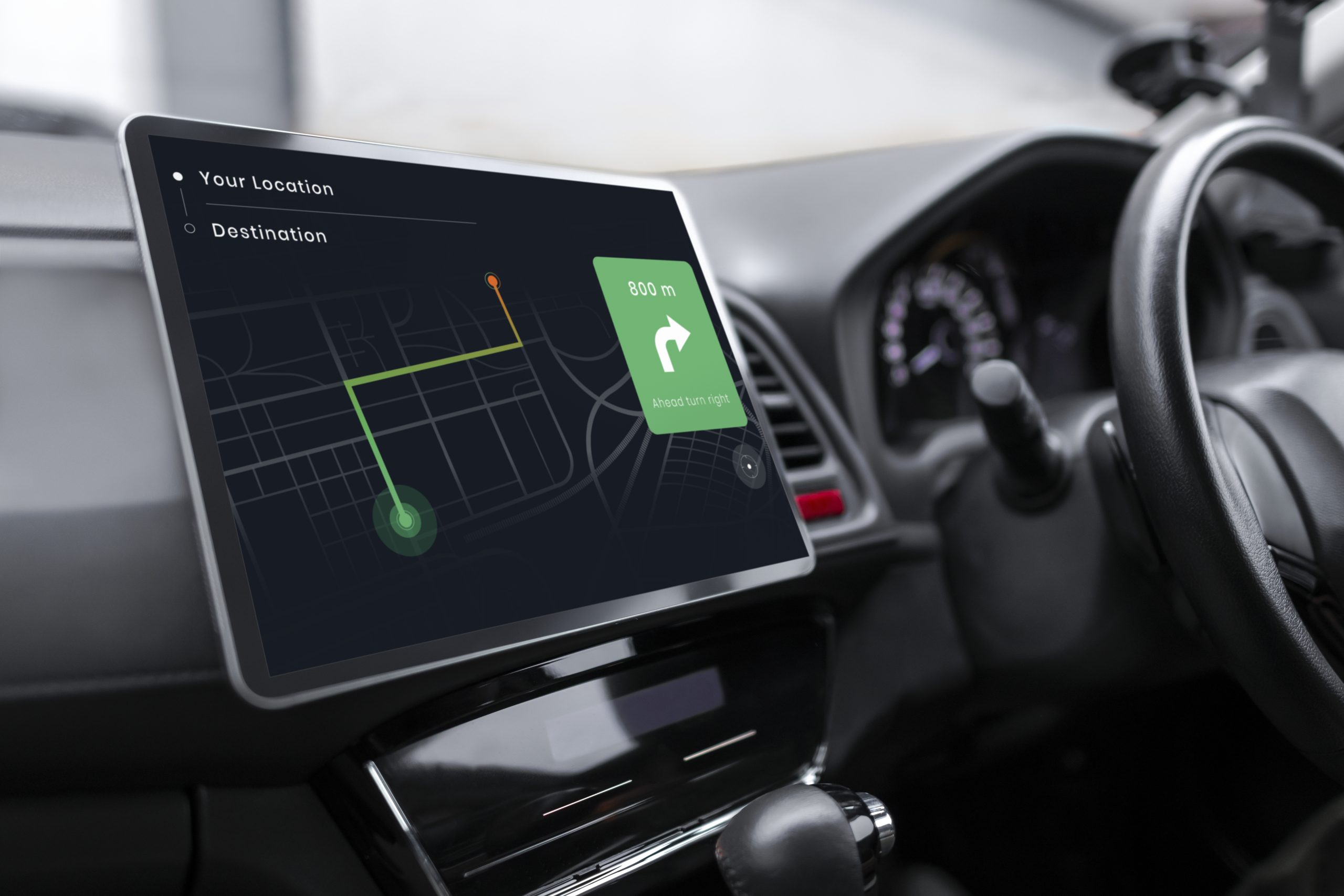
car infotainment systems
fleet management systems
The goal is not to replace sirens and lights, but to make them more effective.
SirenX helps create a safer and more predictable interaction between emergency vehicles and everyday road users
How SirenX Works
1. Emergency activity is detected
Emergency response activity is identified through selected operational data sources
2. Relevant movement is evaluated
SirenX processes this information to understand when an emergency vehicle movement may be relevant for nearby road users.
3. Driver awareness is prepared
The system evaluates the situation and prepares a clear digital warning that supports earlier and safer driver reactions.
4. Alerts are delivered through supported channels
Warnings are delivered through approved partner platforms, mobile applications, navigation environments or other connected digital systems.
EV fire alerts
Early alerts for EV battery incidents
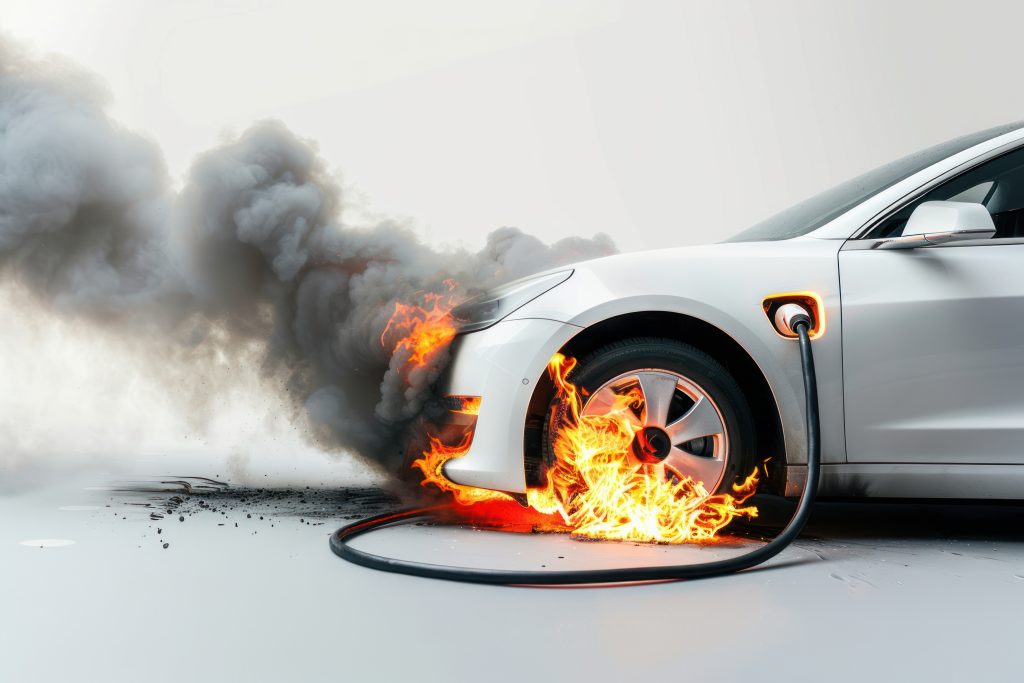
Another function of the SirenX safety system is EV Fire Response Alerts, providing early structured notifications related to electric vehicle battery fire risks directly to fire dispatch centers or 112 (911) emergency coordination systems.
Electric vehicle fires require specific response procedures.
Battery fire incidents are often more complex, longer-lasting and resource-intensive than conventional vehicle fires.
Early identification of a potential EV-related fire helps dispatchers prepare the right response before units arrive on scene.
SirenX processes incident data and delivers relevant alerts directly to fire brigade dispatch centers or 112 (911) emergency coordination systems.
Alerts include structured information such as location, incident type, vehicle category and urgency level.
This helps emergency services allocate suitable units, equipment and procedures earlier.
Partners
SirenX is being developed in cooperation with key public and private partners, including the Ministry of Interior, the Ministry of Health, the Emergency Medical Service Operations Centre, fire and rescue services, Arriva, Auto-Impex and BYD. Together, these partnerships support the practical validation of SirenX across emergency response, dispatch operations and next-generation mobility.
Let’s make emergency response more visible, predictable and safe.